
Spravato: Is This A Medication I Will Have To Be On Forever?
December 5, 2024

Exploring Spravato for Depression


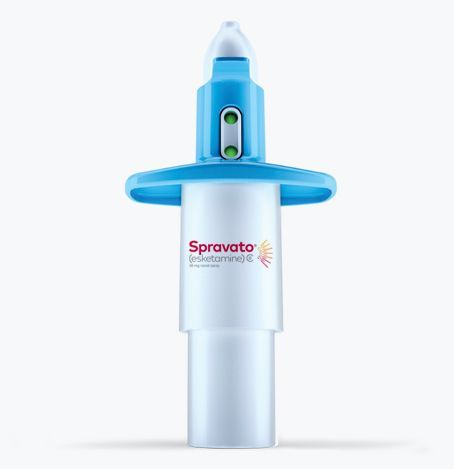
Spravato, also known as esketamine, is a nasal spray approved for treatment-resistant depression. It offers hope to those who haven't responded well to traditional antidepressants. To receive Spravato, you need to see a psychiatrist or another healthcare provider certified in its administration due to the specific requirements and potential side effects associated with its use. Unlike typical oral antidepressants, Spravato must be administered under medical supervision at a certified treatment center. This ensures patient safety and allows healthcare providers to monitor any immediate reactions post-administration. While some may worry about long-term dependency on such treatments, it's important to note that Spravato is used as part of a broader therapeutic plan often including other medications and psychotherapy. The goal is not indefinite reliance but rather achieving significant improvement in depressive symptoms. Ultimately, deciding if Spravato could be right for you should involve discussions with your mental health care provider about your specific needs and treatment history.


Understanding the Role of a Psychiatrist in Prescribing Spravato


"What is this 'Spravato'?" Well, it's a revolutionary drug used to treat depression - particularly when other treatments haven't worked. But here comes the million-dollar question: who can prescribe it? Psychiatrists are medical doctors specializing in mental health; they're experts at diagnosing and treating mental illnesses like depression. Psychiatrists possess extensive knowledge about psychiatric medications (like Spravato) along with their potential benefits and side-effects. This expertise allows them to consider various factors such as your symptoms severity or any other medication you might be taking before deciding if something like Spravato is for you. Now, onto another pressing concern - will I always need to take it for my depression? The answer isn't so black-and-white because each person responds differently to treatment plans including medication usage duration which could vary widely from one individual to another based on how well they respond over time among many variables involved!


Alternatives to Spravato Treatment for Depression


If you're grappling with depression and have been considering Spravato treatment, it's crucial to know that there are also other viable alternatives out there. While a specialized doctor can prescribe Spravato, this doesn't mean it's your only option or something you'll need forever for managing your depression. First off, let me assure you - seeking help is the bravest step towards recovery. You’re not alone on this journey nor limited to just one type of treatment plan when dealing with depressive symptoms.


The Decision-Making Process: Do I Need to Stay on Spravato Long-Term?


Navigating the world of medication can feel like a maze, especially when it comes to treating something as complex and personal as depression. One question you might be grappling with is - do I need to stay on Spravato long-term? Let's break down this decision-making process together. Spravato (Esketamine) has been making waves in the medical community for its potential in managing treatment-resistant depression. But does that mean once you start, there’s no going back? The answer isn't black or white; it depends largely on individual factors such as how well your symptoms respond and any side effects experienced during treatment. It's important to remember that every person reacts differently. Next, consulting professionals about staying power of Spravato over time – an essential step! The doctor overseeing your care will monitor progress closely while taking into account various aspects including severity of condition, other medications being used concurrently and overall health status before deciding whether continuous use is necessary or not. Finally, considering quality-of-life implications from both perspectives—staying on versus coming off the drug—is crucial too! While some people find relief through long-term use others may prefer exploring alternative treatments after initial success with short term usage due to their unique circumstances or preferences! In conclusion, determining if one needs to stay on Spravato for a prolonged period should involve careful consideration between the patient and healthcare provider.


Lifestyle Changes and Complementary Therapies Alongside Spravato


Starting your journey with Spravato can feel like a leap into the unknown, but it's important to remember that this medication is just one part of an overarching plan for managing depression. The other parts? Lifestyle changes and complementary therapies! Regular exercise has also proven to be super effective in reducing depressive symptoms. It doesn't have to mean running marathons either -  brisk walking or yoga can do wonders. Now, let’s talk about food. Eating balanced meals packed with fruits, veggies and lean proteins not only keeps our bodies healthy but also impacts our mental well-being positively.  Psychotherapy sessions are considered highly beneficial alongside Spravato treatment too! Engaging openly in these conversations lets you explore underlying issues contributing towards depression while developing coping mechanisms simultaneously. So yes, Spravato could be essential for treating your depression but will it always have to remain so? Well…that depends entirely on how effectively all components of your management strategy work together over time including lifestyle modifications and complementary treatments mentioned above. Remember though always consult with a healthcare professional before making any significant changes related directly or indirectly toward your treatment plans!


Empowering Yourself with Knowledge on Treating Depression


It's clear that empowering yourself with knowledge about treating depression is a crucial step towards recovery and improved mental health. Understanding the process of seeking help, especially when considering innovative treatments like Spravato, can make all the difference in your journey. Each person's path to wellness varies greatly; some may need long-term medication while others might not require as much time depending on their individual circumstances and response to therapy. Don't let depression take control of your life.  Contact Caya Health at 407-559-7011 and schedule your consultation today!

December 1, 2025
Processed foods and added sugars have quietly become part of nearly every meal we eat. They’re convenient, tasty, and everywhere—but inside the body, they can create a cascade of effects that impact energy, metabolism, gut health, and long-term wellness. Here’s what you need to know. The Problem with Processed Foods Not all processed foods are harmful, but ultra-processed foods —like chips, pastries, sugary cereals, fast food, and sodas—are engineered to be irresistible. They often contain additives, refined carbs, unhealthy fats, and large amounts of sugar and salt. How They Affect Us They hijack hunger signals: Designed for overeating, they trigger dopamine spikes that increase cravings. They spike blood sugar: Leading to energy crashes, insulin overload, and eventually insulin resistance. They fuel inflammation: Ingredients like refined oils can contribute to chronic inflammation. They harm gut health: Low fiber and food additives disrupt beneficial bacteria. They promote weight gain: Calorie-dense but nutrient-poor foods leave the body hungry for more. What Added Sugar Does to the Body Added sugar—found in drinks, snacks, sauces, and even “healthy” foods—affects several major systems. Overloads the liver , contributing to fatty liver disease and high cholesterol. Accelerates aging by damaging collagen. Weakens immunity , making infections easier to catch. Impacts mental health by causing mood swings, irritability, and energy crashes. Why It’s Hard to Quit These foods are designed to be addictive, inexpensive, and convenient. The combination of engineered flavors, brain-reward triggers, and constant availability makes them incredibly hard to resist—so it’s not about willpower. Simple Ways to Take Back Your Health Eat more whole foods like fruits, vegetables, nuts, and lean proteins. Read labels and avoid long ingredient lists or hidden sugars. Balance meals with protein and healthy fats to steady blood sugar. Make small swaps—sparkling water instead of soda, whole foods instead of packaged snacks. Final Thoughts Processed foods and sugar might be everywhere, but small, consistent changes can dramatically improve your energy, mood, and long-term health. Start with one simple swap, build momentum, and let your body guide you toward better choices. So, if you are looking at a way to feel confident and healthy in your body come see us at Caya Health . At Caya Health our compassionate team of doctors, nurses, and wellness coaches are here to support you. So, don't wait! Call us today at 407-559-7011 !
November 16, 2025
Yes — depression and anxiety can be by-products of menopause. This is actually quite common and medically recognized. Why it happens During perimenopause and menopause, levels of estrogen and progesterone drop , and these hormones affect: Serotonin and dopamine (mood-regulating brain chemicals) Sleep quality Stress response Energy levels and cognition Because of these changes, many women experience: Increased anxiety Mood swings Depressive symptoms Irritability Difficulty concentrating (“brain fog”) Sleep disturbances — which make mood symptoms worse Who is most likely to feel this You may be more sensitive to mood changes during menopause if you: Have had anxiety or depression previously Have a family history of mood disorders Are experiencing high life stress Are dealing with sleep disruption, chronic pain, or health changes The good news Menopause-related mood symptoms can be treated . Options include: Hormone therapy (HRT) — can help stabilize mood for some women SSRIs/SNRIs or other medications for anxiety or depression Cognitive-behavioral therapy (CBT) Lifestyle supports : exercise, sleep optimization, reducing alcohol, mindfulness practices Addressing hot flashes/night sweats , which often improves sleep and mood When to talk to a doctor If your anxiety or depression: Is persistent Interferes with daily life Causes withdrawal, hopelessness, or panic Feels different from anything you’ve had before A healthcare provider can help determine whether your symptoms are menopause-related and offer treatment options. If you’re seeking medical care that truly prioritizes your whole health and well-being, Caya Health is here for you. We are an “integrated” health center and understand the strong connection between the body, the mind, and the environment in which you live. Our compassionate family of healthcare experts is dedicated to giving you the care and help you need to achieve your life and health goals. So, call 407-559-7011 and schedule your consultation today!

October 2, 2025
Let’s be honest: losing weight isn’t always the hardest part — keeping it off is where most people struggle. You might have tried strict diets, intense workout plans, or trendy supplements, only to find yourself back at square one months later. But here’s the truth: long-term weight loss doesn’t come from quick fixes. It comes from sustainable habits and a healthy mindset. In this post, we’ll walk through science-backed, realistic strategies to lose weight and maintain it — without sacrificing your mental or physical health. Start with Realistic Goals One of the biggest mistakes people make is setting extreme goals. Losing 20 pounds in a month might sound great, but it’s not sustainable — or healthy. Do this instead: Aim for 1–2 pounds per week (about 0.5–1 kg) Set non-scale goals too, like “walk 10,000 steps a day” or “cook at home 5 nights a week” Focus on Nutrition, Not Restriction You don’t need to starve or cut out entire food groups. Instead of thinking about what to eliminate, focus on what to add : fiber, lean protein, healthy fats, and whole foods. Try these tips: Fill half your plate with veggies Choose whole grains (like brown rice, quinoa, oats) over refined carbs Include healthy fats like avocado, olive oil, or nuts Stay hydrated — sometimes thirst is mistaken for hunger Remember: no single food causes weight gain. It’s about consistent patterns over time. Move in Ways You Enjoy Exercise should feel energizing, not like a punishment. Find movement that fits your lifestyle and brings you joy. Ideas to stay active: Go for daily walks or hikes Try strength training (great for metabolism!) Dance, swim, do yoga, bike — whatever gets you moving Mix it up to stay engaged and prevent burnout Even 20–30 minutes a day can make a big difference when done consistently. Prioritize Sleep and Stress Management Sleep and stress aren’t just wellness buzzwords — they’re critical to your weight and overall health. Lack of sleep increases hunger hormones and cravings Chronic stress elevates cortisol, which can lead to fat storage (especially around the belly) Healthy habits to adopt: Aim for 7–9 hours of quality sleep per night Practice mindfulness, journaling, or meditation Set boundaries to protect your time and energy Track Progress (Beyond the Scale) Weight fluctuates naturally, so don’t obsess over the number on the scale. Track other indicators of progress too: How your clothes fit Your energy levels and mood Strength, endurance, or flexibility gains Improved blood pressure or cholesterol (if applicable) Celebrate non-scale victories — they’re just as important. Stay Consistent, Not Perfect This is where most people trip up. One “off day” becomes a “what’s the point” week. But success isn’t about being perfect — it’s about being consistent most of the time. Try the 80/20 rule: Eat nourishing foods 80% of the time, and leave room for treats and social meals the other 20%. One indulgent meal won't undo your progress. It’s your habits over weeks, months, and years that matter. Build a Support System You don’t have to do it alone. Find community or accountability through: Friends and family Online or local fitness/wellness groups A registered dietitian or health coach Having support makes the journey easier — and more enjoyable. Play the Long Game If you take just one thing from this post, let it be this: slow and steady wins the race. The healthy way to lose weight isn’t flashy or fast — but it works. And more importantly, it lasts. No matter where you're starting from, progress is possible. Give yourself grace, stay patient, and focus on building habits that support your health long-term. You’ve got this. Contact Caya Health at 407-559-7011 ! We take a different approach—one that prioritizes long-term success and a weight loss plan tailored specifically to you.
September 15, 2025
In today’s fast-paced world, mental health has become a vital part of the overall wellness conversation. Among the most commonly discussed—and often misunderstood—conditions are anxiety and depression . They are frequently mentioned together, but are they actually related? The short answer is: yes, they are connected —but let’s dig into the how and why. Understanding Anxiety and Depression Anxiety is characterized by excessive worry, nervousness, or fear. It’s your body’s natural response to stress, but when it becomes chronic or overwhelming, it can interfere with your daily life. Depression , on the other hand, is marked by persistent sadness, loss of interest in previously enjoyed activities, fatigue, and even physical symptoms like changes in appetite or sleep. Although they are distinct conditions with different diagnostic criteria, they often coexist . The Overlap: Why They Often Appear Together Studies show that around 50% of people diagnosed with depression also experience symptoms of anxiety . This overlap is known as comorbidity . Here’s why they often go hand-in-hand: Shared biology : Imbalances in brain chemicals like serotonin, dopamine, and norepinephrine are involved in both anxiety and depression. Similar life triggers : Trauma, chronic stress, or major life changes (like a breakup, job loss, or illness) can trigger both conditions. Cognitive patterns : People with depression often experience negative thought loops, which can lead to anxious rumination—and vice versa. Impact on daily functioning : Living with one condition can make you more vulnerable to the other. For example, constant anxiety can wear down emotional resilience, increasing the risk of developing depression. Treatment Options The good news is: both conditions are treatable , and often with similar methods. Therapy : Cognitive Behavioral Therapy (CBT) is highly effective for both anxiety and depression. It helps reframe negative thought patterns and build healthier coping strategies. Medication : Antidepressants (like SSRIs) are commonly prescribed for both disorders. Lifestyle : Regular exercise, a healthy diet, good sleep, and mindfulness practices can significantly reduce symptoms. Treatment is most effective when it’s tailored to the individual , so it’s important to consult with a mental health professional for a proper diagnosis and plan. When to Seek Help If you’re feeling overwhelmed, stuck in a cycle of worry or sadness, or noticing changes in your behavior or emotions that won’t go away, it’s time to reach out. You don’t have to wait until things get unbearable. The earlier you seek help, the sooner you can start to feel better. Anxiety and depression are deeply connected, but they don’t define who you are—and you’re certainly not alone. Understanding the relationship between the two is the first step toward healing. Remember: asking for help is not a weakness—it’s a strength. Mental health matters, and support is always within reach. So, if you or someone you love is suffering from anxiety or depression call Caya Health today for a consultation. At Caya Health , our expert caregivers provide compassionate, specialized care for individuals of all ages—from young children to seniors. What sets us apart is our integrated approach, combining medical and behavioral health services to deliver whole-person care backed by evidence-based best practices. So, why wait? Call us today at 407-559-7011 and be on your way to better health! 
August 21, 2025
As parents, we often pride ourselves on knowing our children better than anyone. But when it comes to mental health—especially depression—signs can be subtle, masked, or easily mistaken for normal developmental changes. Children don’t always have the language to express how they feel, and depression can manifest differently in kids than in adults. Recognizing early signs can make a powerful difference in your child’s well-being. Persistent Sadness or Irritability One of the most common signs of childhood depression is ongoing sadness or irritability. While it's normal for kids to have bad days, persistent low moods for weeks at a time could be a red flag. Some children may not appear sad but instead become unusually irritable, angry, or reactive. Loss of Interest in Activities Has your child suddenly lost interest in hobbies, sports, or time with friends? A drop in enthusiasm for previously loved activities—without any clear reason—can signal emotional distress. Changes in Sleep Patterns Watch for noticeable changes in sleep. This might include sleeping too much, difficulty falling asleep, or waking up often at night. Sleep disturbances are a key symptom of depression in both children and adults. Changes in Appetite or Weight Children with depression may eat significantly more or less than usual, sometimes leading to noticeable weight changes. This can be due to emotional eating, lack of appetite, or even a general lack of interest in self-care. Low Energy and Fatigue You might notice your child seems tired all the time, even after a full night’s sleep. They might complain of feeling sluggish, slow, or having “no energy” for anything. Difficulty Concentrating Depression can make it hard for kids to focus on schoolwork, follow conversations, or make decisions. If teachers mention your child is distracted, withdrawn, or not keeping up with assignments, it’s worth paying closer attention. Feelings of Worthlessness or Guilt Children struggling with depression may express self-critical thoughts or excessive guilt. You might hear them say things like “I’m not good at anything” or “Everything is my fault.” These comments, especially when frequent, shouldn't be dismissed as dramatic or attention-seeking. Physical Complaints with No Clear Cause Headaches, stomachaches, or general aches with no medical explanation are common in depressed children. Often, these physical symptoms are real expressions of internal emotional pain. Social Withdrawal If your child starts avoiding friends, family, or social events, this could signal depression. Isolation isn’t just a phase—it’s a defense mechanism when a child feels overwhelmed or unworthy. Talk of Death or Suicide This is the most serious warning sign. If your child talks about wanting to die, feeling like a burden, or expressing hopelessness, it’s critical to seek professional help immediately. Even if it seems like a passing comment, always take it seriously.  What You Can Do as a Parent Listen without judgment : Create a safe space where your child can talk about feelings without fear of being punished or dismissed. Validate their emotions : Let them know it’s okay to feel sad or overwhelmed. Avoid saying things like “you’re overreacting” or “just cheer up.” Monitor changes over time : A single bad day isn’t cause for concern—but persistent symptoms over weeks are. Seek professional help : A pediatrician, school counselor, or child psychologist can offer screening and support. Stay involved : Check in often. Ask open-ended questions like “How are you really feeling?” or “What’s been the hardest part of your day?” Depression isn’t a sign of weakness or bad parenting. It’s a medical condition that affects children from all walks of life. With awareness, compassion, and timely intervention, your child can recover and thrive. Trust your instincts—if something feels off, it’s worth exploring. At Caya Health our services include family medicine, psychiatry, and counseling. We provide coordinated whole-person medical and behavioral health services to achieve effective results through tested and proven best practices in care. So, call us at 407-559-7011 and schedule your child's consultation today!
July 18, 2025
Not eating the right foods can significantly impact both your physical and mental health. Here's how: Mental Health Effects Mood Swings & Irritability A poor diet, especially one high in sugar and processed foods, can lead to energy crashes and irritability. Depression & Anxiety Diets low in essential nutrients like omega-3s, B vitamins, magnesium, and zinc are linked to higher rates of depression and anxiety. A lack of regular meals can cause blood sugar fluctuations, which affects your mood and energy levels. Cognitive Issues Not getting enough nutrients can impair focus, memory, and decision-making. Chronic undernourishment (especially lacking iron or B12) can lead to brain fog and fatigue. Physical Health Effects Fatigue & Low Energy If you’re not eating enough or eating low-nutrient foods, your body won’t have the fuel it needs to function properly. Weakened Immune System Deficiencies in vitamins A, C, D, and minerals like zinc can make you more vulnerable to illness. Digestive Issues Poor fiber intake can lead to constipation or irregular digestion. Too much processed food can throw off your gut microbiome, affecting overall health. Muscle Loss or Poor Recovery Inadequate protein can lead to muscle breakdown, especially if you’re physically active Sleep Disturbances Poor eating patterns, like skipping meals or overconsuming caffeine and sugar, can interfere with sleep quality. What Helps? Balanced meals with protein, healthy fats, and complex carbs Regular meal timing Staying hydrated Limiting ultra-processed foods and added sugars Getting enough key nutrients (iron, omega-3s, B12, magnesium, etc.) If you’re noticing changes in mood, energy, or health, adjusting your diet could be a good first step. At Caya Health we take a different approach—one that prioritizes long-term success with a plan tailored specifically to you. So, if you want to be on a path to better physical and mental health, schedule a consultation with Caya Health . Call us at 407-559-7011 and visit us at one of our two convenient Central Florida locations!
June 16, 2025
Determining whether your child may have ADD (now more commonly referred to as ADHD, inattentive type) or ADHD (Attention-Deficit/Hyperactivity Disorder) involves careful observation, evaluation by professionals, and understanding the diagnostic criteria. Here's how you can begin the process: Common Signs of ADHD in Children ADHD is typically grouped into three types: Inattentive Type (formerly ADD) Easily distracted; doesn't seem to listen Difficulty following instructions Often loses things (homework, toys, etc.) Makes careless mistakes in schoolwork Avoids or dislikes tasks requiring sustained attention Trouble organizing tasks and activities Hyperactive-Impulsive Type Fidgets or squirms constantly Difficulty staying seated Talks excessively or blurts out answers Interrupts conversations or games Difficulty waiting their turn Combined Type Shows symptoms of both inattentiveness and hyperactivity/impulsivity. Steps to Take if You Suspect ADHD Track the Behavior Note what behaviors you're seeing, when they happen, and how long they've been going on (ADHD symptoms must be present for at least 6 months ). Behaviors should appear before age 12 and in multiple settings (home, school, social situations). 2 . Talk to Your Child’s Teacher Teachers often notice patterns like inattention or impulsivity early on. Ask for observations and any academic or behavioral concerns. 3 . Schedule a Pediatric Evaluation Your child’s pediatrician can do an initial screening. They may refer you to a child psychologist, psychiatrist, or neurologist for a full evaluation. 4. Get a Formal Diagnosis Diagnosis is based on the DSM-5 criteria . What to Do After Diagnosis If diagnosed, a treatment plan might include: Behavioral therapy (often first-line for young children) Parent training/support School accommodations Medication (for moderate to severe cases) Some behaviors may look like ADHD but stem from anxiety, learning disorders, trauma, or sleep problems. ADHD is not caused by bad parenting, diet, or screen time, though these can influence behavior. At Caya Health, we understand the strong connection between the body, the mind, and the environment in which you live. Schedule an appointment at Caya Health were they will prioritize you and your families overall health and wellness. Contact us today at 407-559-7011 !
May 9, 2025
Could you possibly have an eating disorder? Here are some common signs and symptoms , grouped by physical, emotional, and behavioral indicators. You don’t have to show all of these to be struggling—any combination can be serious. Physical Signs Noticeable weight loss or fluctuations (up or down) Fatigue or dizziness Stomach cramps or digestive issues Fainting or feeling faint Hair thinning or dry skin Cold intolerance (feeling cold all the time) Irregular or missed period Emotional Signs Intense fear of gaining weight Distorted body image (thinking you're fat even when you're underweight) Obsession with food, calories, or "clean eating" Feeling guilty or ashamed after eating Anxiety, depression, or irritability Perfectionism or low self-worth Behavioral Signs Skipping meals or avoiding eating in front of others Strict food rituals (e.g., cutting food into tiny pieces, eating foods in a specific order) Excessive exercise, even when injured or sick Frequently going to the bathroom after meals (possible purging) Hoarding food or binge eating in secret Wearing baggy clothes to hide the body An eating disorder can often be a sign of something deeper or more complex happening beneath the surface. While eating disorders like anorexia, bulimia, or binge eating disorder are serious mental health conditions on their own, they are frequently connected to other underlying issues, such as:  Trauma or abuse (emotional, physical, or sexual) Anxiety disorders or depression Obsessive-compulsive disorder (OCD) Low self-esteem or body image issues Control issues , especially in chaotic or unstable environments Perfectionism or intense pressure to achieve Family or relationship problems In many cases, the eating behavior becomes a coping mechanism—a way to regain control, numb emotional pain, or express distress that feels otherwise unmanageable or inexpressible. If you—or someone you care about—is showing any of these signs, it’s important to take it seriously. Eating disorders are medical and psychological conditions, not just a phase or about “wanting to be thin.” You can start by seeing a mental health professional —specifically someone trained in eating disorders , such as: Licensed therapist or psychologist – They can provide therapy to address the emotional and behavioral aspects. Psychiatrist – If medication is needed for co-occurring issues like anxiety or depression. Primary care doctor or general practitioner – A good first step for medical evaluation and referrals. Registered dietitian – Especially one who specializes in eating disorders, to help with nutritional guidance without triggering harmful patterns. Often, treatment involves a team approach , sometimes within a specialized eating disorder clinic or program that includes all of the above professionals working together. You don’t need to wait until things are “severe” to reach out—early help makes a big difference. Contact Caya Health at 407-559-7011 a whole person integrated healthcare!
April 29, 2025
The importance of holistic mental health lies in its comprehensive approach to well-being—recognizing that mental health is deeply interconnected with physical, emotional, social, and spiritual dimensions of a person’s life. Rather than focusing solely on symptoms or diagnoses, holistic mental health considers the whole person and the various factors that influence their psychological state. Getting started with holistic mental health care involves making intentional choices to care for your mind, body, emotions, and spirit. It's a personal and evolving journey, but here’s a practical roadmap to begin: Self-Assessment and Awareness - Start by reflecting on your current state in different areas of your life: Mental : Are you often anxious, stressed, or sad? Physical : Are you sleeping well, eating nutritiously, and moving your body? Emotional : Can you express and process emotions in healthy ways? Spiritual : Do you have a sense of meaning, purpose, or connection beyond yourself? Social : Are your relationships supportive and fulfilling? Build a Supportive Lifestyle Foundation - Start with core habits that support all areas of wellness: Nutrition : Eat whole, nutrient-rich foods that support brain health Exercise : Move regularly—yoga, walking, dancing, etc. Sleep : Prioritize consistent, quality rest Mindfulness : Practice meditation, breathing, or gratitude Connection : Foster meaningful relationships and community Integrate Healing Practices - Choose a few holistic tools that resonate with you: Mindfulness meditation or breathwork Art therapy, journaling, or music Body-based therapies (like massage or somatic experiencing) Nature exposure or ecotherapy Energy work or spiritual practices (like prayer or reiki) This is of course just a place to start. Holistic care is flexible. It evolves as your needs and life change. If you are looking for a holistic mental health care provider with professionals who integrate multiple disciplines, such as, licensed therapists, integrative psychiatrists, functional medicine doctors, wellness coaches or holistic counselors then, look no further than Caya Health . Their expert caregivers specialize in care for all ages, from young children to senior adults. So, be on your way to better health and call us at 407-559-7011 and schedule your consultation today! 3. Build a Supportive Lifestyle Foundation Start with core habits that support 5. Create a Routine and Be Gentle With

March 4, 2025
Eating Healthy and Losing Weight: A Simple Guide Losing weight doesn’t have to be complicated or require drastic measures. By focusing on healthy eating and making small, sustainable changes, you can achieve lasting results. In this guide, we’ll break down simple tips for eating healthy and losing weight without relying on extreme diets or quick fixes. Why Eating Healthy is Key for Weight Loss Eating healthy doesn’t mean depriving yourself; it’s about nourishing your body with nutrient-rich foods that support weight loss. A balanced diet helps you: - Control Calories: Creating a calorie deficit is essential for weight loss, but it's not just about cutting calories. Focus on eating nutrient-dense foods that give your body what it needs. - Regulate Hormones: Proper nutrition helps balance hormones that affect hunger and fat storage. - Boost Metabolism: Eating the right foods can help your body burn calories more efficiently. - Reduce Cravings: Healthy foods filled with fiber and protein keep you fuller for longer, reducing the desire to snack on unhealthy foods. Tips for Healthy Eating and Losing Weight Focus on Whole Foods The foundation of a healthy diet should be whole, minimally processed foods. Think fruits, vegetables, lean proteins, whole grains, and healthy fats (like avocado, olive oil, and nuts). These foods provide your body with essential nutrients while keeping you full and satisfied. Watch Portions Even healthy foods can lead to weight gain if consumed in large amounts. Be mindful of portion sizes and avoid overeating. A helpful trick is to use smaller plates or bowls to prevent large servings and practice mindful eating. Include Protein in Every Meal Protein is key for muscle maintenance, and it also helps you stay full longer, reducing cravings. Add lean proteins like chicken, turkey, tofu, eggs, or fish to your meals to support weight loss and muscle growth. Eat More Fiber Fiber helps with digestion and keeps you feeling full for longer. Foods like vegetables, fruits, whole grains, and legumes are rich in fiber and should be part of every meal. Aim for at least 25-30 grams of fiber daily. Stay Hydrated Drinking enough water is crucial for weight loss. Sometimes, thirst is mistaken for hunger, leading to overeating. Drinking water throughout the day helps keep you hydrated and supports your metabolism. Aim for at least 8 cups a day, and feel free to infuse water with fruits or herbs for extra flavor. Don’t Skip Meals Skipping meals can slow down your metabolism and lead to overeating later in the day. Eating regular, balanced meals helps keep your metabolism steady and energy levels stable. If you're short on time, consider meal prepping or having healthy snacks like nuts, fruits, or yogurt available. Limit Processed Foods and Sugar Processed foods and sugary snacks can be high in unhealthy fats, sugars, and sodium, which can hinder weight loss. While it's okay to indulge occasionally, try to limit your intake of processed meals and sugary drinks. Choose whole, nutrient-dense options that nourish your body. Exercise Regularly Exercise complements a healthy diet by boosting metabolism and burning calories. Aim for a mix of cardio, strength training, and flexibility exercises to improve overall health and promote fat loss. Even daily walks can make a big difference over time. Be Patient and Consistent Sustainable weight loss takes time. It's not about quick fixes but about making lasting, positive changes. Aim for gradual weight loss of 1-2 pounds per week. Consistency is key—stick to your healthy eating habits, and you'll see results. Conclusion Eating healthy and losing weight doesn’t have to be an all-or-nothing approach. It’s about making small, realistic changes to your diet and lifestyle that you can maintain over time. By focusing on whole foods, practicing portion control, staying hydrated, and incorporating regular exercise, you’ll be on the path to a healthier, happier you. Remember, progress is a journey, so enjoy the process and celebrate your achievements along the way! At Caya Health we have an integrated whole person approach for you or your loved one to lose weight. If you would like to hear more about our sustainable weight lose program give us a call at 407-559-7011 and schedule a consultation today!